
A new year of Asian football gets underway next week, with the start of the month-long AFC U23 Asian Cup kicking off in Saudi Arabia on Tuesday.
However, for a tournament that has existed for over a decade now, its place in the Asian football calendar remains an uncomfortable one. Despite its designed purpose: primarily as an Olympic qualifier, a development showcase, or a rehearsal opportunity for future senior hosts, the tournament has too often materialised as an afterthought wedged awkwardly between club commitments and senior progress.
Its history reflects that ambiguity. Engagement has ebbed and flowed, ambitions have varied wildly between federations, and the lack of availability of players, especially from Europe, has been an ever-present limitation. Some editions have been able to generate worthy engagement and interest, think Uzbekistan in 2022, while others have drifted by with only fleeting attention being paid.
This tournament then arrives with a sense of reflection. It will be the last U23 Asian Cup held outside the Olympic qualification cycle, before the competition reverts from a two to a four-year rhythm that will align with the Games’ regular drumbeat. In its final, meagre format, can this unloved cousin of AFC competitions carve out a last moment of relevance before it slips back into a narrower guise?
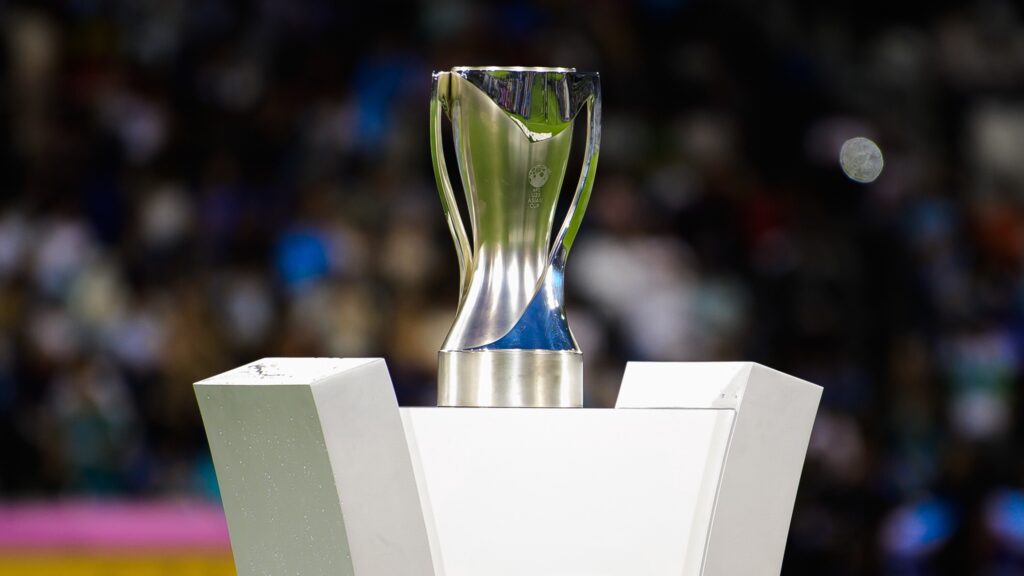
The hosts in the spotlight
Hosts Saudi Arabia enter this tournament with more riding on it than most. Off the pitch, it is another stepping stone in an increasingly growing hosting schedule for the nation: with the senior Asian Cup due to arrive in twelve months’ time, before the World Cup looms seven years beyond that; each tournament another part of the broader narrative outlining Saudi football’s direction and credibility.
Logistically, while the tournament will test similar practical preparations, it’ll likely lack the nationwide engagement levels seen in other host nations over the past decade. Only two of the stadiums earmarked for next year’s senior Asian Cup will be used, limiting any notion that this can be considered a true test event. It feels a long way off being a dress rehearsal for what we can expect next January.
On the pitch, however, the stakes are somewhat higher. Saudi international football has drifted since the highs of 2022. A World Cup qualification campaign navigated more by fortune than fluency, followed by a limp Arab Cup performance in Qatar, has raised uncomfortable questions about whether the ambitious domestic reforms over the last five years have genuinely served the national team’s capacity to grow.
Senior coach Hervé Renard has been critical of the foreign player quotas in place in the Saudi Pro League, and how they are restricting meaningful minutes for domestic players. While U23 coach Luigi Di Baggio, appointed on recommendation of former senior coach and fellow Italian Roberto Mancini, faces similar issues, he does benefit more than most coaches at this tournament, from domestic clubs’ willingness to release selected players.
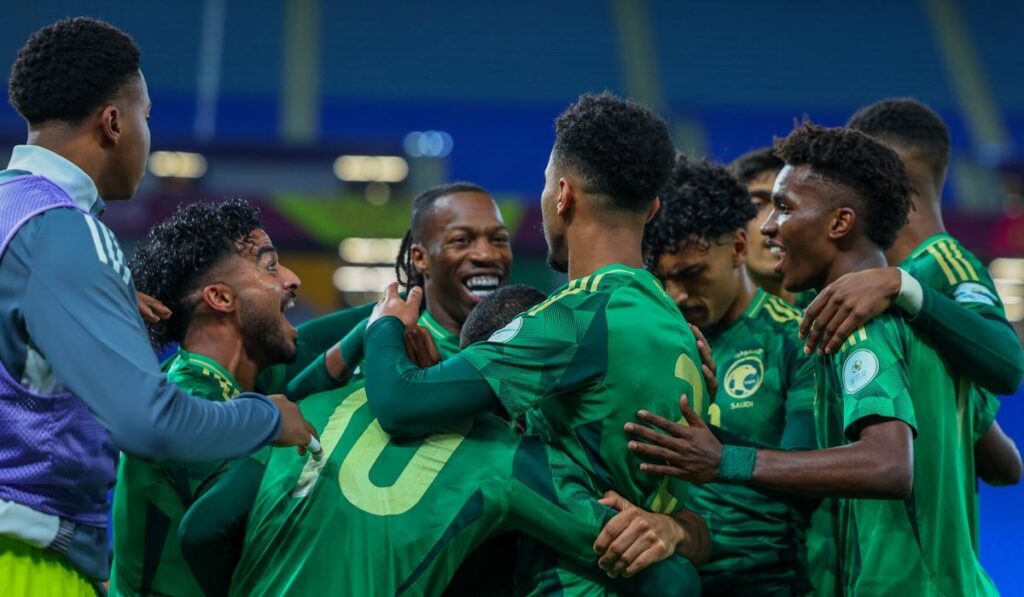
Form heading into the competition, in addition, is encouraging. Saudi Arabia arrive as U23 Gulf Cup champions after December’s regional triumph, and on paper they boast one of the tournament’s strongest squads.
Faris Al-Ghamdi has been dictating games for Ettifaq in the SPL, Abdulaziz Al-Aliwa was the creative heartbeat of their U23 Gulf Cup success, while centre-back Abdulrahman Al-Obaid looks poised to be one of the tournament’s breakout performers. From the bench, Thamer Al-Khaibari offers raw physicality and an element of chaos, while the surprise inclusion of senior international Musab Al-Juwayr in the final squad adds further depth to the centre of midfield.
Saudi Arabia are credible favourites, not just to progress to the latter stages, but to disprove their doubters; to showcase progress, galvanise local interest, and perhaps paper over the cracks that remain visible at senior level.
Big names lacking star power
In contrast, the other usual contenders arrive looking distinctly diminished compared to two years ago, when Japan edged out Uzbekistan in the 2024 final.
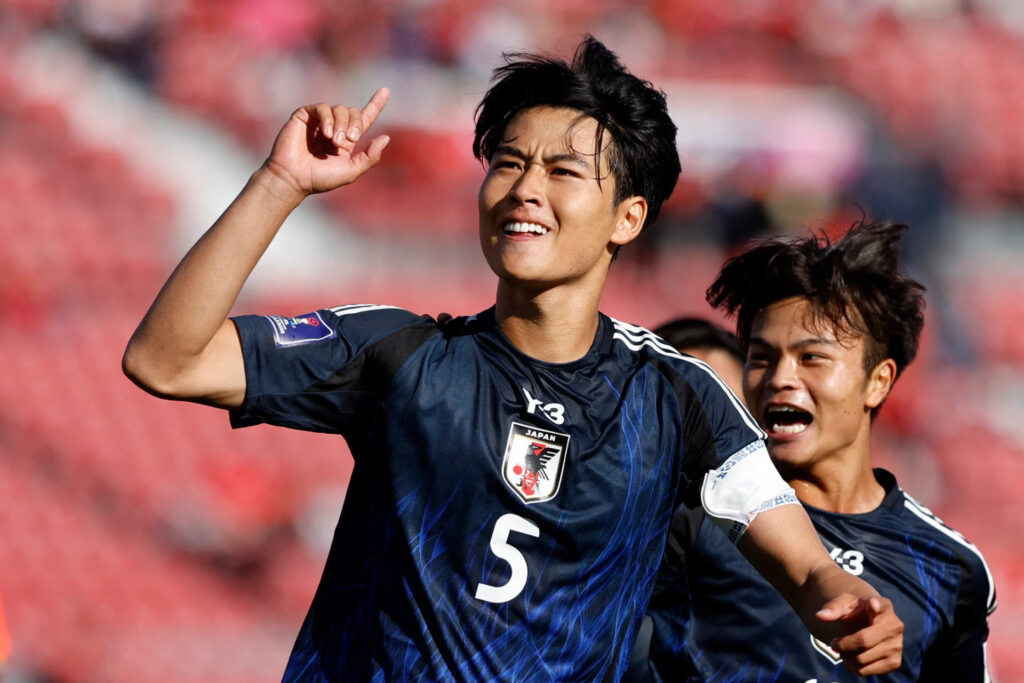
As they’ve done previously, in non-Olympic years, Japan have sent a squad of U21 players, with coach Go Oiwa’s focusing firmly on Los Angeles in 2028, with this tournament viewed as an opportunity for development rather than silverware.
Like most heading to the Kingdom, Japan are without their key European-based talent, forcing attention onto domestic development. RB Omiya Ardija centre-back Rion Ichihara, alongside midfielders Yuto Ozeki and Tokumo Kawai, are all expected to feature prominently, but expectations are deliberately tempered by the squad makeup.
Since the 2024 final, Uzbekistan’s trajectory has shifted even more dramatically. Years of youth-centric planning have delivered their ultimate prize: a first senior FIFA World Cup appearance due later this year. Inevitably, focus has since drifted away from the youth tournament progression that once defined their identity.
Ravshan Khaydarov has also selected a younger squad, absent of any of the key players who powered their recent successes. There was, albeit predictably, no consideration of the star names that clinched the U20 Asian Cup title three years ago, with the call up featuring more domestic rough diamonds than any real finished articles.
The mixed bag of options feature Nasaf’s Sardorbek Bakhromov, the in-form Saidumarkhon Saidnurullaev, and Khaydarov’s namesake Abdugafur, who may offer that very something Uzbek football continues to cry out for – a pure, out-and-out number nine.
Elsewhere, South Korea’s approach is pragmatic, perhaps bordering on cynical. Lee Min-sung may have named a U23 squad, yet openly admits his priorities lie with September’s Asian Games, a sensible stance, perhaps, given his own precarious position and the pressure of the heralded military exemption. The squad lacks many of the big names left with their club sides in Europe, leaving Kim Young-hak and Kang Seong-jin carrying much of the creative burden.
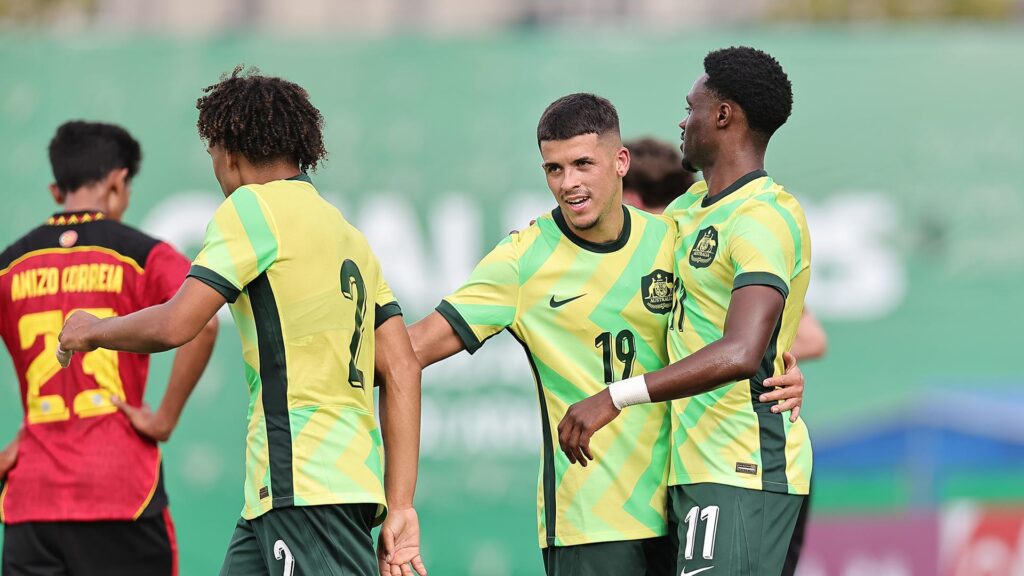
Australia’s Olyroos tell a similar story, yet despite being below full strength, Tony Vidmar can lean on familiarity and recent success. Luka Jovanovic and Jaylan Pearman return to another continental showpiece after last year’s U20 Asian Cup triumph, while Nathan Paull and Jordi Valadon provide a spine capable of competing well in Saudi Arabia.
The outside challengers
With traditional heavyweights, either distracted or diluted, a door opens for others to stamp their mark on the competition.
As ever, Iraq sit somewhere between outsider and perennial threat. Emad Mohammed leads a group largely intact from the side that qualified for the U20 World Cup three years ago. Even without the star names of Ali Jasim or Zidane Iqbal, the foundations are solid.
Adam Rasheed and Abdulrazzaq Qasim provide a strong spine, while Ahmed Aied offers the kind of explosive unpredictability that could define the tournament. Their recent U23 Gulf Cup showing suggests another deep run is possible in Saudi Arabia.
Vietnam arrive similarly buoyed by regional success, this time triumphant at the Southeast Asia Games. Kim Sang-sik’s dual role, as senior and youth team coach, ensures continuity, cohesion, and a fully integrated squad – light and day compared to their SEA compatriots Thailand at this tournament. Nguyen Dinh Bac and Khuat Van Khang are central to a side that looks settled tactically and mentally confident, a dangerous combination in such a short tournament.
Jordan, meanwhile, continue to ride a golden wave of optimism. Senior success at the Asian Cup and Arab Cup has filtered down, with the U23s keen on demonstrating that there is more than the current senior set up to get excited about. Odeh Al-Farkouri and Amin Al-Shanaineh provide width and incision, while centre-back Ali Hajabi offers authority well beyond his years.
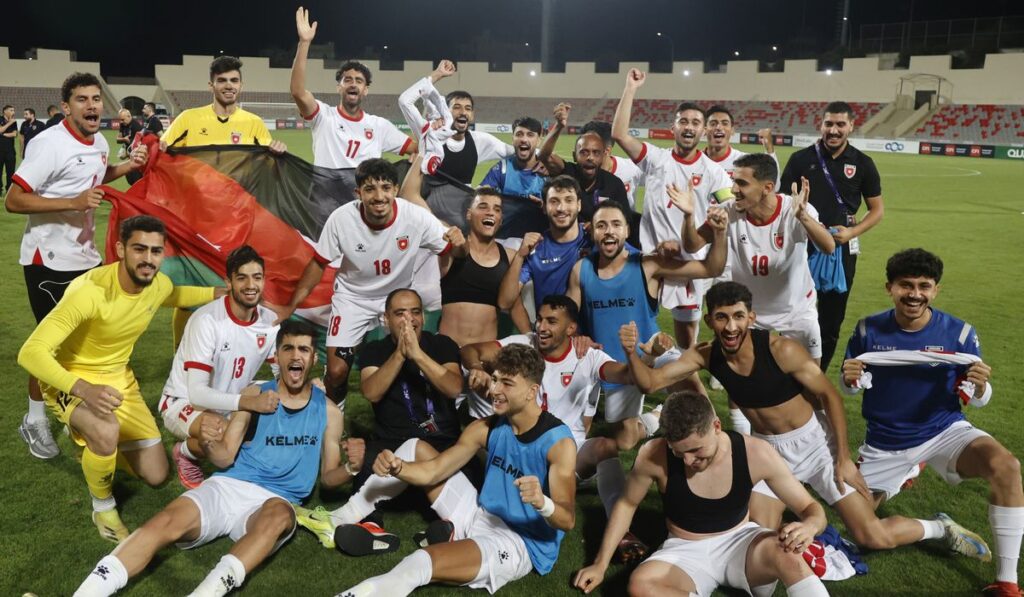
Elsewhere in the draw, uncertainty reigns. Iran remain mired in internal turmoil and have an abysmal record at this level, while usual threats in the form of Qatar and UAE arrive with reputations to repair after underwhelming recent campaigns.
If there is a genuine left-field pick, Syria may be it. With Mahmoud Al-Aswad, a key pick at the recent the Arab Cup, joined by U20 standouts Mohammad Al-Mustafa and Anas Dahhan; they have a fearless attacking set up, ready to provide an upset.
Alternatively, Kyrgyzstan, under Brazilian born, Ukrainian football legend, Edmar have assembled a well-balanced squad that offers senior experience, in the form of Christian Brauzman and Kimi Merk, alongside a promising cohort eager for moves abroad, including Arsen Shashenbekov, Said Datsiev, and the long-anticipated talents Beknaz Almazbekov.
The U23 Asian Cup remains an awkward, often overlooked competition in the footballing calendar. Yet within its ambiguity lies intrigue: careers nudged forward, reputations reshaped, and narratives quietly rewritten.
As the 2026 competition begins, Saudi Arabia offers one last chance for this tournament, in its current form, to remind Asia why it still has a place.